
Jacksonville summers bring intense heat and humidity that can drive cooling bills higher every year. Many homeowners feel stuck choosing between comfort and cost, but that trade-off is often unnecessary. Simple, proven steps can reduce energy use while keeping indoor temperatures pleasant. Local residents who want reliable guidance often turn to Jacksonville HVAC services for tailored advice that fits the region’s climate demands.
You do not need a complete system overhaul to see meaningful savings. Everyday adjustments and a few targeted improvements can lower cooling costs without leaving anyone feeling warm or sticky.
Set the Thermostat Strategically
Raising the thermostat a few degrees makes a noticeable difference. The U.S. Department of Energy recommends setting it to 78°F when you are home during the cooling season. Each degree higher can reduce energy use by roughly three percent. When the house is empty, increase the setting another five to seven degrees. A programmable or smart thermostat handles these changes automatically so you never return to a stuffy house.
Avoid the common habit of cranking the temperature far lower when you walk in the door. The system works harder to catch up, using more energy than steady, moderate settings.
Use Fans to Feel Cooler
Ceiling fans and portable fans do not lower the air temperature, but they create a breeze that helps sweat evaporate and makes rooms feel several degrees cooler. Running fans allows you to raise the thermostat without noticing the difference. Set ceiling fans to spin counterclockwise in summer so they push air downward. Turn them off when you leave a room; they cool people, not empty spaces.
This simple habit pairs well with higher thermostat settings and reduces overall runtime on your air conditioner.
Keep Heat Out of the House
Blocking heat before it enters is one of the most effective ways to lower cooling demand. Close blinds, curtains, or shades on south- and west-facing windows during the hottest hours. Light-colored or reflective window coverings work especially well. Outside, consider awnings or shade trees for long-term benefit.
Seal gaps around doors and windows with weatherstripping or caulk. Even small leaks allow cool air to escape and hot air to enter, forcing the system to run longer. Check attic insulation as well; a well-insulated attic keeps heat from radiating downward into living spaces.
Maintain Your Cooling System
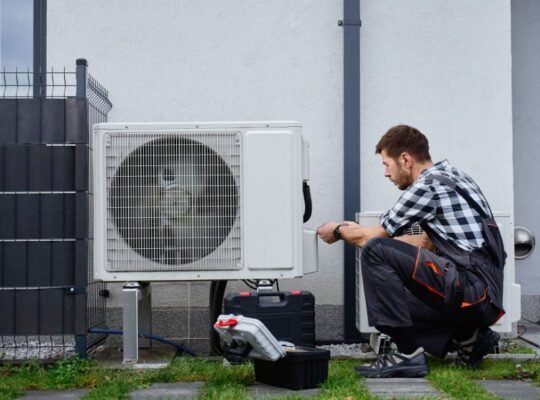
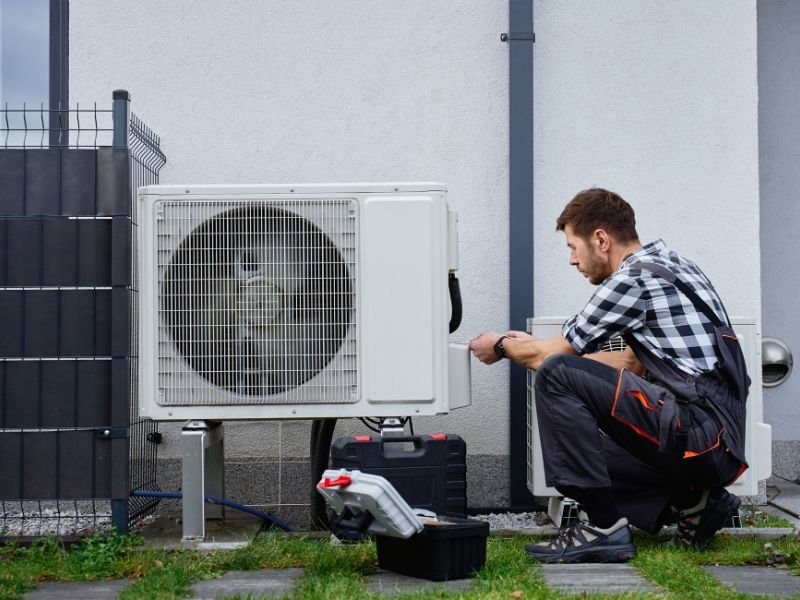
A dirty filter restricts airflow and makes the unit work harder. Check filters monthly during peak season and replace them when they look clogged. Clean outdoor coils of leaves and debris so the system can release heat efficiently. Schedule professional maintenance at least once a year. Technicians clean components, check refrigerant levels, and catch small issues before they raise energy use or cause breakdowns.
Read More: Signs It Is Time To Schedule Water Heater Installation In Houston
An older, inefficient system may still benefit from these steps, though upgrading to a higher-efficiency model becomes worthwhile when repair costs climb or comfort declines.
Reduce Indoor Heat Sources
Everyday activities add heat that your air conditioner must remove. Run the dishwasher, oven, and dryer during cooler evening hours when possible. Switch to LED bulbs, which produce far less heat than older styles. Limit the use of heat-generating appliances during the hottest part of the day.
Cooking outdoors on a grill keeps kitchen heat outside. These small shifts reduce the load on your cooling system without changing daily routines much.
Common Mistakes That Raise Costs
Several habits quietly increase bills:
- Closing supply vents in unused rooms, which can unbalance airflow and strain the system
- Setting the thermostat too low and then raising it later, creating larger temperature swings
- Ignoring outdoor unit clearance; blocked airflow reduces efficiency
- Skipping filter changes for months at a time
- Relying only on the air conditioner while leaving windows open or doors ajar
Avoiding these missteps keeps energy use under control.
Practical Steps You Can Take This Week
Start with the easiest wins. Raise the thermostat a couple of degrees and turn on ceiling fans. Close blinds on sunny windows. Inspect and replace the air filter if needed. Walk around the house and feel for drafts around doors and windows, then seal the obvious gaps.
Read More: Plastic Toilet Cisterns: A Practical Guide for Modern Bathrooms
If your system is more than ten to fifteen years old or struggles on the hottest days, consider a professional evaluation. A technician can measure efficiency, check for refrigerant issues, and recommend whether simple repairs or an upgrade will deliver the best long-term savings.
Building Lasting Savings
Lowering cooling costs does not require extreme measures or constant discomfort. Consistent thermostat management, better heat blocking, routine maintenance, and smart use of fans add up over a full season. Homes that combine these approaches typically see lower bills while staying comfortable through Jacksonville’s long, humid summers.
Focus on the changes that fit your household first. Track your energy use for a month or two to confirm progress. Small, steady improvements protect both comfort and your budget without dramatic lifestyle shifts.
Conclusion
Mastering how to lower your home’s cooling costs without sacrificing comfort delivers real savings and better everyday living. By combining higher thermostat settings, ceiling fans, sealed air leaks, clean filters, and reduced indoor heat sources, you can cut cooling costs while maintaining a pleasant indoor environment.
Consistent application of these strategies reduces energy waste, extends equipment life, and keeps rooms comfortable even on the hottest Jacksonville days. Focus on the changes that fit your household, track your results, and enjoy lower cooling costs without ever giving up the comfort you need.