Geothermal Heating vs. Air Source Heat Pumps: Which Is the Better Choice for Your Home?

Heating bills keep climbing. Many homeowners now want a cleaner, cheaper way to stay warm. Two options come up again and again: geothermal and air source heat pumps.
Both are efficient. Both can cool your home in summer. But they work in different ways, and the right choice depends on your property, budget and plans. Let’s compare them.
How Each System Works
Geothermal Heat Pumps
Below the surface, the ground stays at a steady temperature all year round. A geothermal system uses buried pipes, called a ground loop, to draw on that stable warmth. In summer, it works in reverse and moves heat out of your home.
Homeowners exploring geothermal heating systems in Westerville will find the steady ground temperature suits Ohio’s cold winters and humid summers well.
Air Source Heat Pumps
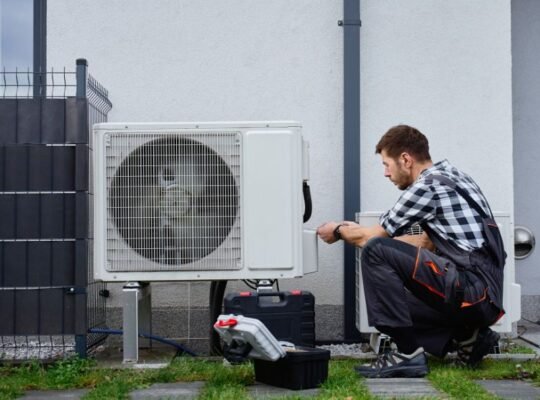
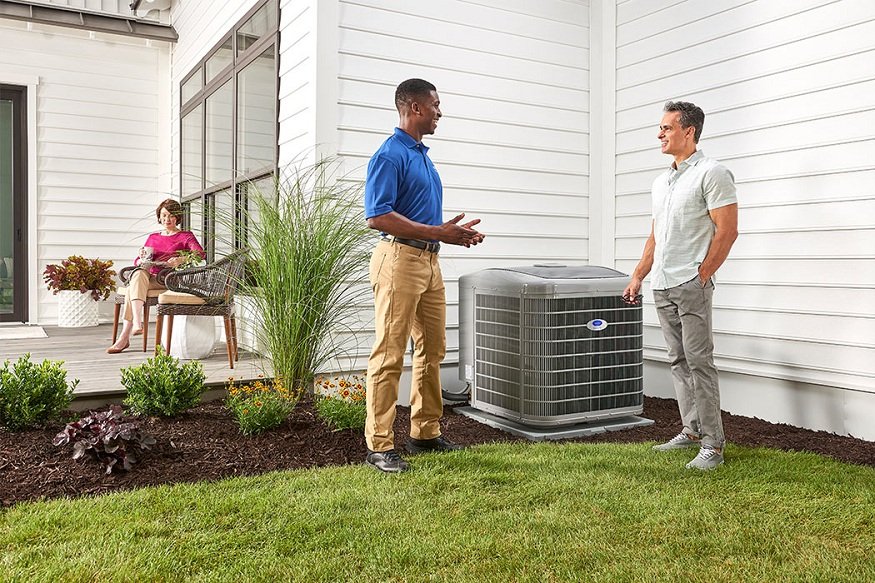
An air source heat pump takes heat from the outdoor air, even when it feels chilly. It then moves that heat indoors. Modern cold-climate models perform far better in low temperatures than older units did.
Key Differences at a Glance
Efficiency and Running Costs
Geothermal systems are usually the most efficient option available. The ground is warmer than winter air, so the system works less hard. That often means lower monthly bills.
Air source heat pumps are still very efficient compared with gas, oil or electric resistance heating. Their performance can dip slightly during extreme cold.
Read More: Level Up Your Garden: Design Ideas That Work on a Slope
Upfront Installation Cost
This is where air source systems win. Geothermal installation involves drilling or trenching, which adds significant cost. Air source units are simpler to fit and are often much cheaper to install.
Lifespan and Maintenance
Geothermal systems tend to last longer. The underground loop can last for decades, and the indoor unit often lasts 20 years or more. Air source units typically last around 15 years. Their outdoor parts face the weather, so they may need more upkeep.
Space and Property Needs
- Geothermal: needs enough land or access for a ground loop. Vertical drilling suits smaller plots.
- Air source: needs only a small outdoor space for the unit.
- Noise: geothermal is generally quieter, as there is no large outdoor fan.
Which Should You Choose?
Choose Geothermal If:
- You plan to stay in your home for many years.
- You want the lowest long-term running costs.
- You are building a new home or doing a major renovation.
- You have suitable outdoor space for a ground loop.
Choose an Air Source Heat Pump If:
- You want a lower upfront cost.
- Your garden or lot is small or hard to dig.
- You are replacing an existing system quickly.
- You may move within a few years.
Things to Consider Before You Decide
Think beyond the price tag. Look at your home’s insulation, your ductwork and your current energy use. A well-insulated house gets more from either system.
Local conditions also matter. Soil type, groundwater and available land all affect geothermal design. A qualified installer can survey your property and give honest advice rather than a one-size-fits-all answer.
Incentives and rebates change from time to time. Check what is currently available before you commit, as they can shift the payback period noticeably.
Questions to Ask Your Installer
- How is the system sized for my home?
- What are the expected running costs?
- What warranty and maintenance plan come with it?
- Can you show me examples of similar local installations?
Good installers will answer clearly and put everything in writing.
Final Thoughts
There is no single winner. Geothermal offers superior efficiency, quiet running and a long lifespan, but it costs more upfront. Air source heat pumps are cheaper, quicker to install and still highly efficient.
Read More: Reverse Osmosis Water Purifiers: Essential Maintenance Tips for Long-Term Use
If you want to heat your home for the long term, geothermal is hard to beat. If budget and simplicity matter most, an air source system is a smart, practical choice.
Whichever route you take, speak to a trusted local HVAC specialist. A proper home assessment will show which system delivers the best comfort and value for you.