
Working from home has become a part of everyday life for many professionals. While a comfortable chair and a functional desk are important, lighting is often the overlooked element that directly impacts productivity, focus, and comfort. Poor lighting can lead to eye strain, headaches, fatigue, and reduced concentration, while a well-lit workspace can help you stay energised and efficient throughout the day.
Whether you use your home office for full-time work, studying, or managing personal projects, creating the right lighting setup can make a remarkable difference. Here’s how to design a productive home office with perfect lighting.
How Does Lighting Matter in a Home Office
Lighting influences how we feel, think, and perform. A workspace that is too dim can make tasks difficult, while excessively bright lighting may cause glare and discomfort. The goal is to create balanced illumination that supports both visual comfort and productivity.
Read More: Level Up Your Garden: Design Ideas That Work on a Slope
A well-planned lighting setup helps:
- Reduce eye strain during long working hours
- Improve concentration and alertness
- Enhance video call appearance
- Create a professional and comfortable atmosphere
- Increase overall work efficiency
The key lies in combining different types of lighting to achieve the ideal balance.
Begin with Natural Light
Natural daylight remains one of the best sources of illumination for a home office. It boosts mood, supports focus, and reduces the need for artificial lighting during the day.
Position your desk near a window whenever possible. However, avoid placing your screen directly in front of or behind the window, as this may create glare or harsh contrasts.
To make the most of natural light:
- Use sheer curtains to diffuse strong sunlight
- Keep windows unobstructed
- Position workstations perpendicular to windows
- Adjust blinds throughout the day to control brightness
Natural light provides an excellent foundation, but it should always be supplemented with artificial lighting for consistency.
Create Strong Ambient Lighting
Ambient lighting serves as the primary source of illumination in your workspace. It ensures the room is evenly lit and prevents dark corners that can cause visual fatigue.
A quality LED tube light can provide bright, uniform illumination across the room, making it easier to work comfortably throughout the day. Proper ambient lighting reduces the contrast between your screen and surrounding environment, helping your eyes adjust more naturally.
When planning ambient lighting:
- Ensure even distribution of light
- Avoid harsh shadows
- Choose brightness levels appropriate for the room size
- Maintain a comfortable and balanced atmosphere
A well-positioned LED tube light creates the foundation for an effective home office lighting design.
Add Task Lighting for Focused Work
While ambient lighting illuminates the entire room, task lighting focuses on specific work areas where greater visibility is required.
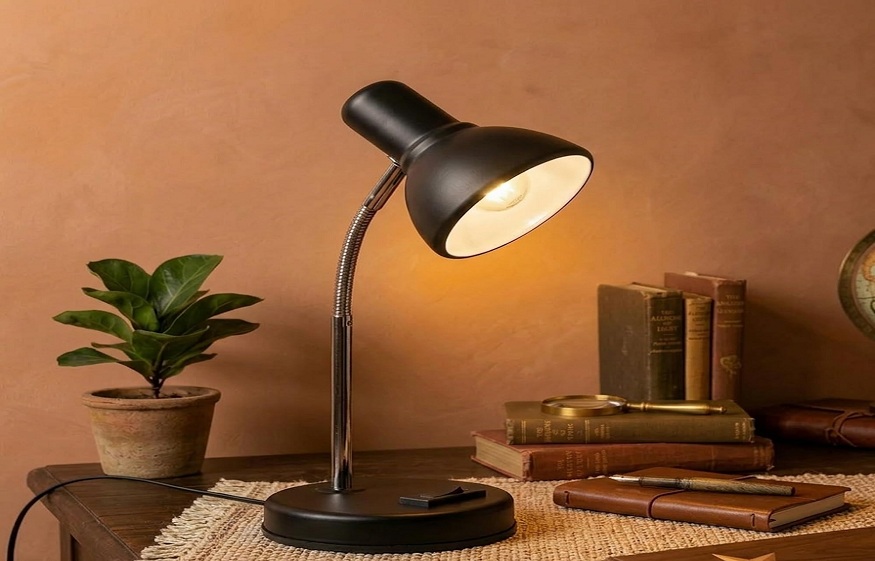
A desk lamp is one of the most valuable additions to a home office. It provides targeted lighting for reading, writing, reviewing documents, and other detail-oriented tasks.
When choosing the placement of a desk lamp:
- Position it opposite your dominant hand to reduce shadows
- Direct light onto your work surface rather than your eyes
- Adjust the angle based on your activity
- Use it alongside ambient lighting rather than as the sole light source
A properly placed desk lamp helps maintain visual comfort while improving accuracy and focus.
Use Smart Lighting for Flexibility
Modern work schedules often extend beyond traditional office hours. This is where intelligent lighting solutions become especially useful.
A smart bulb allows you to customise brightness and colour temperature according to your work needs. Cooler light tones can promote alertness during working hours, while warmer tones create a relaxed environment when the workday ends.
Benefits of using a smart bulb include:
- Adjustable brightness levels
- Easy control through apps or voice commands
- Custom lighting schedules
- Improved energy efficiency
- Personalised workspace ambience
Adding a smart bulb gives you greater control over your environment and helps adapt lighting throughout the day.
Minimise Screen Glare and Reflections
Screen glare is one of the biggest challenges in home office lighting. It can lead to eye strain, reduced visibility, and frequent headaches.
To reduce glare:
- Position monitors away from direct light sources
- Use adjustable window coverings
- Avoid placing lights directly behind screens
- Angle task lighting carefully
- Keep screens clean to minimise reflections
Balancing natural light, ambient lighting, and task lighting helps create a glare-free workspace that supports prolonged focus.
Layer Your Lighting for Maximum Productivity
The most effective home offices use a layered lighting approach. Instead of relying on a single source, combine multiple layers of illumination.
A productive setup may include:
- Natural daylight for daytime brightness
- Ambient lighting from a led tube light
- Focused task lighting from a desk lamp
- Adjustable controls using a smart bulb
Layered lighting creates depth, flexibility, and comfort while ensuring your workspace remains functional at any time of day.
Choosing the Right Colour Temperature
Colour temperature significantly influences productivity and mood.
For home office environments:
- Cool white lighting supports concentration and alertness
- Neutral white lighting provides balanced illumination
- Warm lighting works well for relaxation after work hours
Using a smart bulb makes it easier to switch between different lighting temperatures based on your schedule and activities.
Build a Workspace That Works for You
A productive home office is about more than furniture and technology. The right lighting strategy can transform how you work, helping you stay focused, comfortable, and motivated throughout the day.
Read More: Reverse Osmosis Water Purifiers: Essential Maintenance Tips for Long-Term Use
By combining natural light, a reliable LED tube light for ambient illumination, a functional desk lamp for task-focused activities, and the flexibility of a smart bulb, you can create a workspace that supports both productivity and well-being.
Thoughtful lighting design doesn’t just brighten your office; it improves the way you work every day.