
Dubai has always positioned itself at the forefront of innovation. Its skyline, infrastructure and commercial districts continue to evolve in line with global business ambitions. As we move through 2026, commercial interior design is playing a more strategic role than ever before. Offices, retail environments and hospitality venues are no longer just functional spaces. They are brand statements, performance drivers and customer experience platforms.
The shift in the property market across areas such as Dubai, Abu Dhabi and Sharjah has influenced how businesses think about space. Companies now expect design to support productivity, flexibility and sustainability. At the same time, lessons from home interior design in Dubai are influencing commercial settings, with comfort, warmth and personality becoming central themes rather than afterthoughts.
The Evolution of Workplace Design in 2026
The traditional office layout has almost disappeared. Rows of identical desks and closed cabins have given way to fluid, adaptable environments. In business hubs such as Downtown Dubai and Dubai Marina, organisations are prioritising activity-based working. Spaces are divided into zones for collaboration, focused work, informal meetings and quiet reflection.
Flexibility is key. Modular furniture, movable partitions and multi-purpose rooms allow companies to adjust layouts quickly. Hybrid working continues to influence design decisions. Offices are now destinations rather than obligations. Designers are creating inviting breakout areas, café-style lounges and wellness rooms to encourage staff to spend meaningful time in the workplace.
Biophilic Design and Sustainability
Sustainability is no longer a marketing add-on. It is a business requirement. In 2026, commercial interiors in Dubai increasingly integrate biophilic design principles. Natural light is maximised through open layouts and glass partitions. Indoor plants, green walls and organic textures are used to create a calming environment.
Developments in areas like Business Bay are seeing greater emphasis on energy-efficient lighting, low-VOC materials and smart climate control systems. Clients are also more aware of lifecycle costs. Durable materials and timeless design choices are preferred over short-term trends. This approach supports long-term operational savings while aligning with broader environmental goals in the UAE.
Technology-Integrated Workspaces
Technology sits at the centre of commercial design in 2026. Offices are becoming smarter and more responsive. Touchless entry systems, occupancy sensors and app-controlled meeting room bookings are standard features in premium commercial towers.
In districts such as Dubai Internet City, tech-driven companies are investing heavily in digital infrastructure. Integrated screens, immersive presentation rooms and advanced acoustic solutions support seamless communication. The design focus is not just on installing technology, but on concealing it elegantly so that spaces feel clean and uncluttered.
Retail Spaces as Experiential Hubs
Retail design in Dubai has transformed significantly. Physical shops must now compete with strong online platforms. As a result, the focus has shifted towards experience rather than simple transactions. Flagship stores in destinations like The Dubai Mall are designed to engage all the senses.
Lighting, scent marketing and interactive displays are carefully curated. Layouts encourage exploration rather than direct routes to checkout counters. Flexible display systems allow retailers to refresh their look frequently without major refurbishment costs. This keeps the brand relevant and encourages repeat visits.
Local Identity with Global Appeal
Retail and hospitality brands operating in Dubai often serve an international audience. However, in 2026 there is a stronger desire to reflect local culture within design concepts. Materials such as natural stone, textured plaster and warm timber finishes are combined with contemporary forms.
In neighbourhoods like Al Quoz, creative brands are embracing industrial aesthetics while incorporating Middle Eastern design references. Subtle geometric patterns and artisanal elements create a sense of place. This blend of global sophistication and local character resonates strongly with both residents and visitors.
Hospitality Design Focused on Immersion
The hospitality sector remains one of the most competitive segments of Dubai’s property market. Hotels, serviced apartments and boutique stays are continually raising design standards. In 2026, the focus is on immersive experiences rather than uniform luxury.
Properties on Palm Jumeirah are embracing storytelling through design. Each space, from the lobby to guest rooms, follows a clear narrative concept. Texture layering, curated artwork and bespoke lighting schemes help create memorable environments. Guests are looking for spaces that feel distinctive rather than generic.
Wellness and Comfort in Commercial Interiors
Wellness has become central to commercial design. This trend is visible across offices, retail and hospitality settings. Designers are paying closer attention to air quality, acoustic comfort and ergonomic furniture.
In high-density commercial areas such as Jumeirah Lake Towers, buildings are incorporating wellness-focused amenities. These include relaxation zones, quiet pods and fitness areas within office complexes. In hospitality venues, spa-inspired bathrooms and calming colour palettes enhance guest satisfaction. Comfort now directly impacts brand perception and customer loyalty.
Flexible Hospitality and Mixed-Use Concepts
Dubai continues to develop mixed-use communities where residential, commercial and leisure spaces exist side by side. This has influenced hospitality design in 2026. Hotels are integrating co-working spaces and social lounges that attract both guests and local professionals.
Areas such as City Walk demonstrate this blended approach. Restaurants flow into retail zones. Offices connect seamlessly with leisure facilities. Designers are creating cohesive visual identities across different functions while maintaining clear boundaries where required. The result is a more dynamic and commercially viable environment.
Material Trends and Colour Directions
Material selection in 2026 reflects a move towards authenticity. Natural finishes, textured fabrics and stone surfaces are favoured over overly polished materials. Earthy tones dominate colour palettes. Soft beige, sand, terracotta and muted greens create a grounded atmosphere.
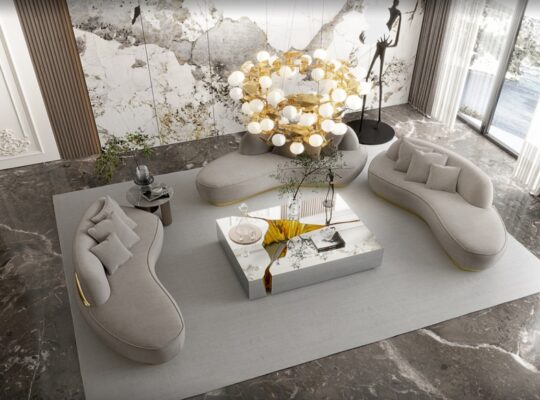
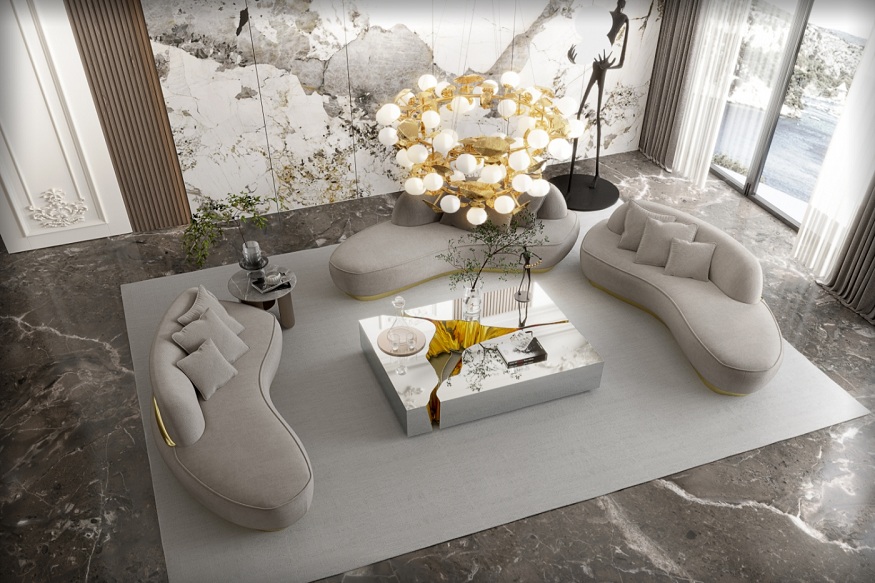
At the same time, statement elements are used strategically. Bold lighting installations or sculptural reception desks provide visual impact without overwhelming the space. The balance between subtlety and drama is carefully managed. This approach ensures longevity while still delivering a strong brand presence.
The Role of Branding in Commercial Design
Commercial interiors in Dubai are closely aligned with brand strategy. Businesses understand that their physical environment communicates values and identity. From logo placement to colour psychology, every element is considered.
In competitive districts like Dubai International Financial Centre, offices are designed to reflect credibility and sophistication. Clean lines, premium materials and curated artwork support a professional image. Retail brands, by contrast, may opt for bold graphics and immersive displays. The key is consistency across all touchpoints.
What This Means for Businesses in 2026
For companies operating in Dubai, commercial interior design is no longer a secondary concern. It is a strategic investment. A well-designed space can attract talent, increase productivity and strengthen customer relationships. In a city where competition is intense, physical environments often differentiate one brand from another.
As the property market continues to evolve, expectations will only rise. Businesses that prioritise thoughtful, sustainable and experience-driven design will remain ahead. Whether developing a new office, refurbishing a retail unit or launching a boutique hotel, commercial interiors in 2026 must balance innovation with practicality. In Dubai’s fast-moving landscape, design excellence is not optional. It is essential.